
Breaking Down the Agritech “Brick Wall”: The Rise of Connected Farm Technology
Tuesday, 24 March, 2026
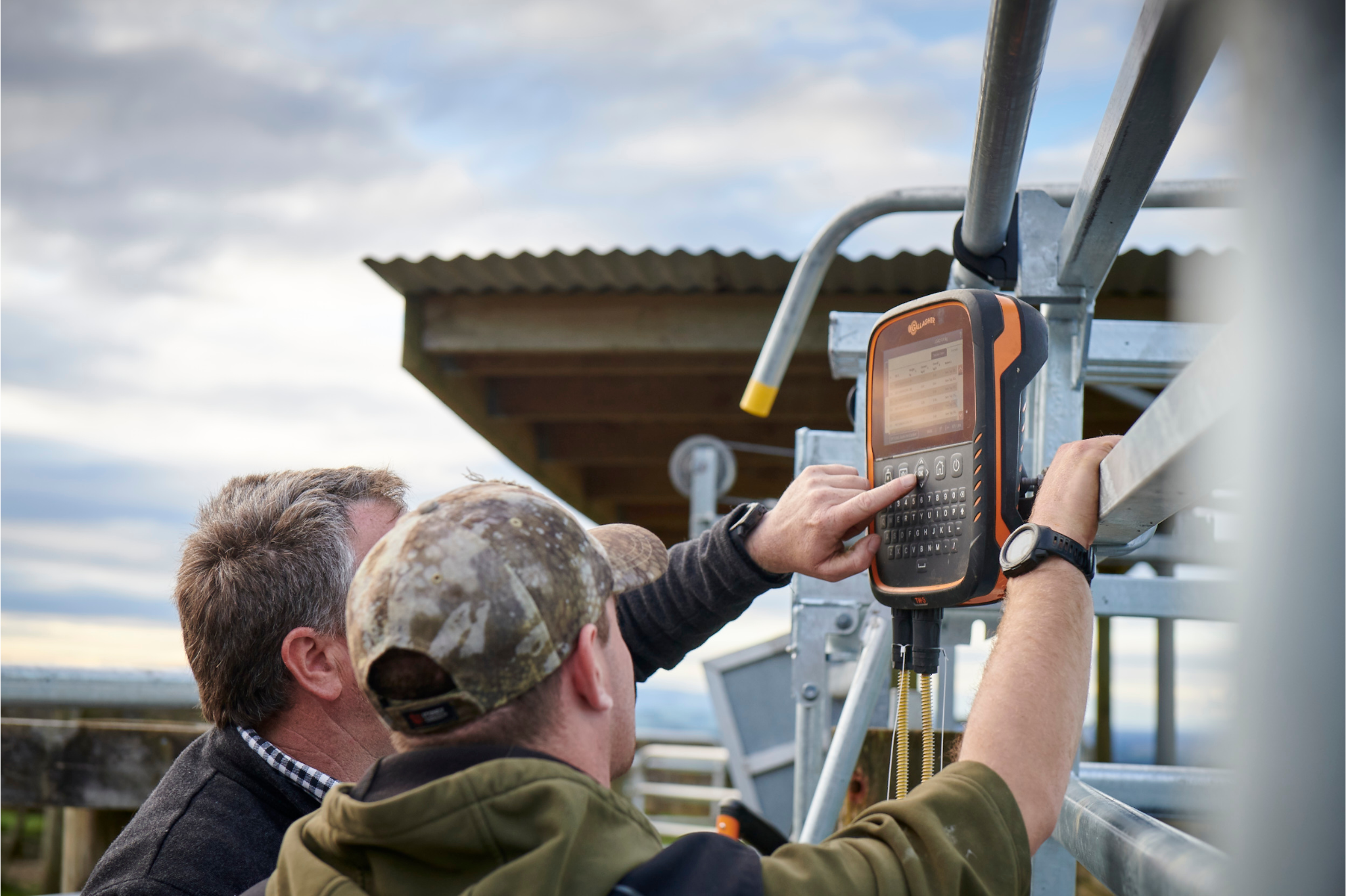
For years, farmers have been told that more data will lead to better decisions, but for many, the reality has been more complicated; multiple digital tools; systems that don’t talk to each other, and hours spent exporting files or re-entering information just to make sense of it all.
Across the agritech sector, that model is starting to change. Instead of standalone platforms competing to control the entire farm system, the industry is slowly moving toward connected ecosystems where the best tools work together.
For Gallagher Animal Management, that shift is a deliberate strategy. The company is focusing on making livestock data captured in the yards easier to move between the systems farmers already rely on, helping turn information into practical decisions without adding another layer of administration.
According to Business Development Manager at Gallagher Animal Management, Mark Maitland, interoperability has long been one of the biggest barriers to getting real value from farm data.
“Interoperability was a really big brick wall for a long period of time, but it’s slowly being taken apart brick by brick,” he says. “There are a few organisations in the industry starting to lead the way by getting out of their silos and connecting systems.”
Gallagher’s approach is not to replace existing farm platforms, Maitland says, but to ensure that the data captured through Gallagher systems can move easily into the tools farmers already trust.
“The final decision for us is always whether it’s valuable for the customer,” he says. “It shouldn’t be commercial as the number one reason; it should be about customer value.”
That philosophy is reflected in Gallagher’s latest integrations with farm management platform Trev and the AngusNZ registry platform powered by Helical, both designed to reduce manual data handling and improve the flow of livestock performance information between systems.
Connecting livestock data to the bigger farm picture
For commercial farmers, one of the biggest opportunities lies in linking livestock performance data with wider farm management insights.
Through the integration with Trev, animal performance information captured through Gallagher weigh systems can flow directly into the Trev platform, where it can sit alongside feed planning, production metrics and other operational data.
This means that liveweight information recorded in the yards can quickly become part of the wider decision-making picture on farm.
Instead of exporting files and manually uploading them into different systems, the information moves more easily between platforms, reducing duplicated effort and improving visibility of how livestock performance is tracking.
For Maitland, the goal is not to add another digital tool to the farm office, but to make the existing ones work better together.
“When data flows more easily between systems, farmers spend less time managing information and more time using it,” he says.
Improving data accuracy for breeders
While the Trev integration focuses on whole-farm management, the connection with AngusNZ Helical platform addresses a different challenge; ensuring that breeder performance data flows accurately into the systems used to evaluate genetics.
For stud breeders, the quality of performance data captured in the yards directly influences breeding decisions and Estimated Breeding Values (EBVs). However, historically, moving that information into registry systems has often required several manual steps.
In many cases, breeders have had to export session files, adjust data and upload information manually into evaluation systems, a process that can be time consuming and open to errors.
“This removes a big pain point around exporting and importing files and working with CSVs,” says Maitland. “Because the data flows automatically, it improves credibility and accuracy straight away.”
Once connected, breeders can upload relevant performance data captured through Gallagher systems directly into the AngusNZ platform powered by Helical, helping ensure that the information used in genetic evaluations is consistent and reliable.
Maitland says simplicity is a key part of the value.
“It can be so simple it creates confusion sometimes, because people expect it to be more complicated,” he says. “But once they’ve used it a few times and see how it works, that builds trust.”
Supporting better decisions, not replacing them
For Gallagher, the purpose of connected systems is not to replace farmer experience or breeder expertise, but to strengthen it.
“EBVs are one of the main tools breeders use to compare animals and make breeding decisions,” Maitland says. “Understanding the data, where to focus, and how to benchmark it against your breeding goals is where the real value comes from.”
By improving how information moves between systems, connected technology can help farmers and breeders spend less time managing data and more time interpreting it.
A connected ecosystem - built step by step
While integrations like these represent an important shift toward more connected agritech systems, Maitland says the industry is still at the early stages of the journey.
“This is the first step in the integration,” he says. “Over time there’s intent to explore a two-way flow of information, but the priority is making sure this first piece works well for farmers.”
As more agritech platforms begin to connect, the goal is to create an ecosystem where farmers can choose the tools that work best for their operation while still building a complete picture of livestock and farm performance.
For Maitland, that shift represents a natural evolution of farm technology.
“The industry is moving toward systems that work together rather than compete,” he says. “When that happens, farmers get more value out of the data they’re already capturing.”