
Farm succession is not only an asset transfer, it’s also a decision-transfer
Thursday, 18 June, 2026
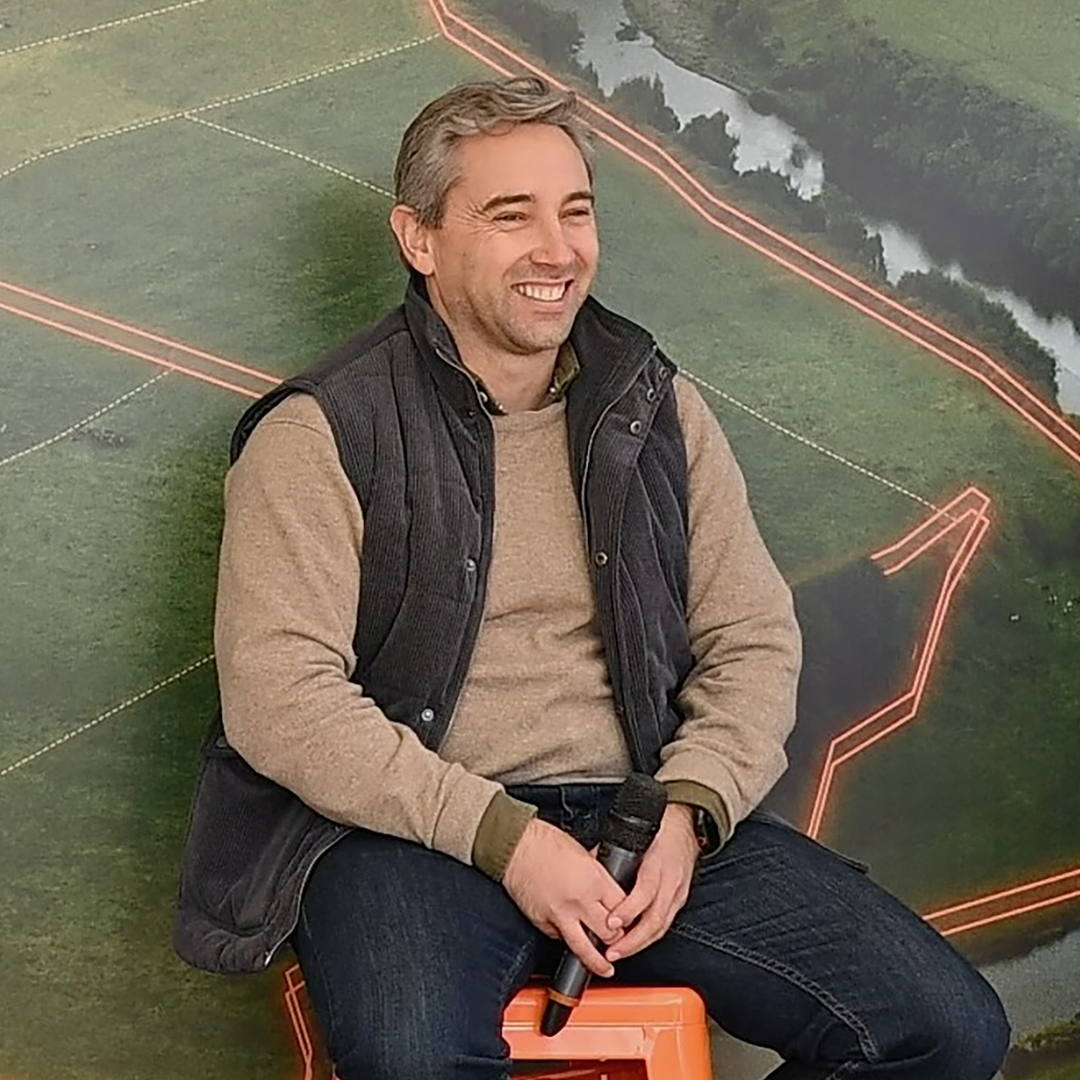
For Hawke’s Bay farmer Willie Lyons, taking over his family’s sheep and beef farm wasn’t simply about inheriting the land.
The bigger challenge was learning how to make the decisions that come with it.
That was one of the key themes discussed at a Gallagher Animal Management panel event at National Fieldays: Agritech adoption is often the missing piece in farm succession.
Lyons shared his experience of managing succession on his family’s 100-year-old Hawke’s Bay property with Glenalvon Farm Manager Tim Fairweather.
As New Zealand prepares for one of the largest intergenerational transfers of farming wealth in its history, Lyons believes the industry needs to rethink what succession really means.
“We need to get away from thinking that succession is only about legal title transfer. It’s so much more than that,” he says. “Succession is about creating pathways. It’s about transferring knowledge, responsibility and decision-making. Ownership is only one part of the equation.”
For Lyons, succession has looked less like a single handover and more like a gradual transition. While he owns and oversees the business, he also works off-farm as an Agri Relationship Manager with ANZ. Fairweather leads the day-to-day operation of Glenalvon, requiring a high level of trust, communication and shared understanding between the pair. Technology has played a critical role in making that model work.
From farm financial software and livestock management platforms through to virtual fencing technology, Lyons says having access to real-time information has transformed the way decisions are made.
“It’s been a game-changer for us,” he says. “It’s helped take away a lot of the anxiety that can come from assumptions. Instead of relying on what people think is happening, we can look at the information in front of us and make decisions based on that.”
The business partners farm in a dry part of Central Hawke’s Bay, where every blade of grass counts. Being able to monitor livestock, grazing performance and farm productivity more closely has helped them make more informed decisions around both farm operations and business performance.
But Lyons is quick to point out that technology does not replace experience.
“There’s still a huge amount of human intelligence required,” he says. “You can’t substitute experience. Every farm has its own DNA – its own soils, water, climate and way of responding to different seasons. Technology can help capture information, but understanding what that information means still comes down to people.”
Fairweather agrees. “The technology helps us stay aligned and gives everyone visibility of what’s happening, but you still need to understand the fundamentals of farming,” he says. “You need to understand the pasture, the stock and the farming system first. The technology sits on top of that and helps you make better decisions.”
One of the biggest opportunities Lyons sees is technology’s ability to reduce uncertainty during succession discussions, particularly when family members, shareholders or future owners are not directly involved in the day-to-day running of the farm.
“When you’ve got non-farming family members involved, they don’t always understand what it takes to run a farm business,” he says. “Having good information available creates better conversations because people can see what’s actually happening rather than relying on assumptions.”
He believes that visibility can help reduce tension, improve understanding and ultimately support better succession outcomes.
“There can be a lot of anxiety around succession because everyone has different expectations,” he says. “The more information people have, the easier it becomes to have realistic conversations about what a farm is capable of and what the future could look like.”
Gallagher Animal Management Business Development Manager Mark Maitland says that is becoming increasingly important as farming businesses grow in size and complexity.
“Succession used to be thought of as a point in time,” he says. “Increasingly, it’s a process of building capability, visibility and trust over a number of years. Connected, integrated technologies working together can support that process by helping make information easier to access, understand and share.”
For Lyons, the message to farming families is simple: start early. Whether the eventual outcome is ownership, leasing, partnerships or another pathway entirely, he believes succession conversations need to happen long before retirement is on the horizon.
“If you’re five years away from succession, now is the time to be thinking about it,” he says. “The biggest risk is assuming it will sort itself out. Succession is never really finished, even when you think it's done, it continues to evolve through the next generation and the generation after that.
“The more visibility you can create by adopting open and connected technologies that give you decision-making data, the less knowledge remains locked away in one person’s head. That makes it easier to have better conversations, make better decisions, and support the ongoing transfer of knowledge and responsibility over time.”