
Get more from your weighing data
You’re already collecting the data — are you getting the most from it?
Wednesday, 26 August, 2026
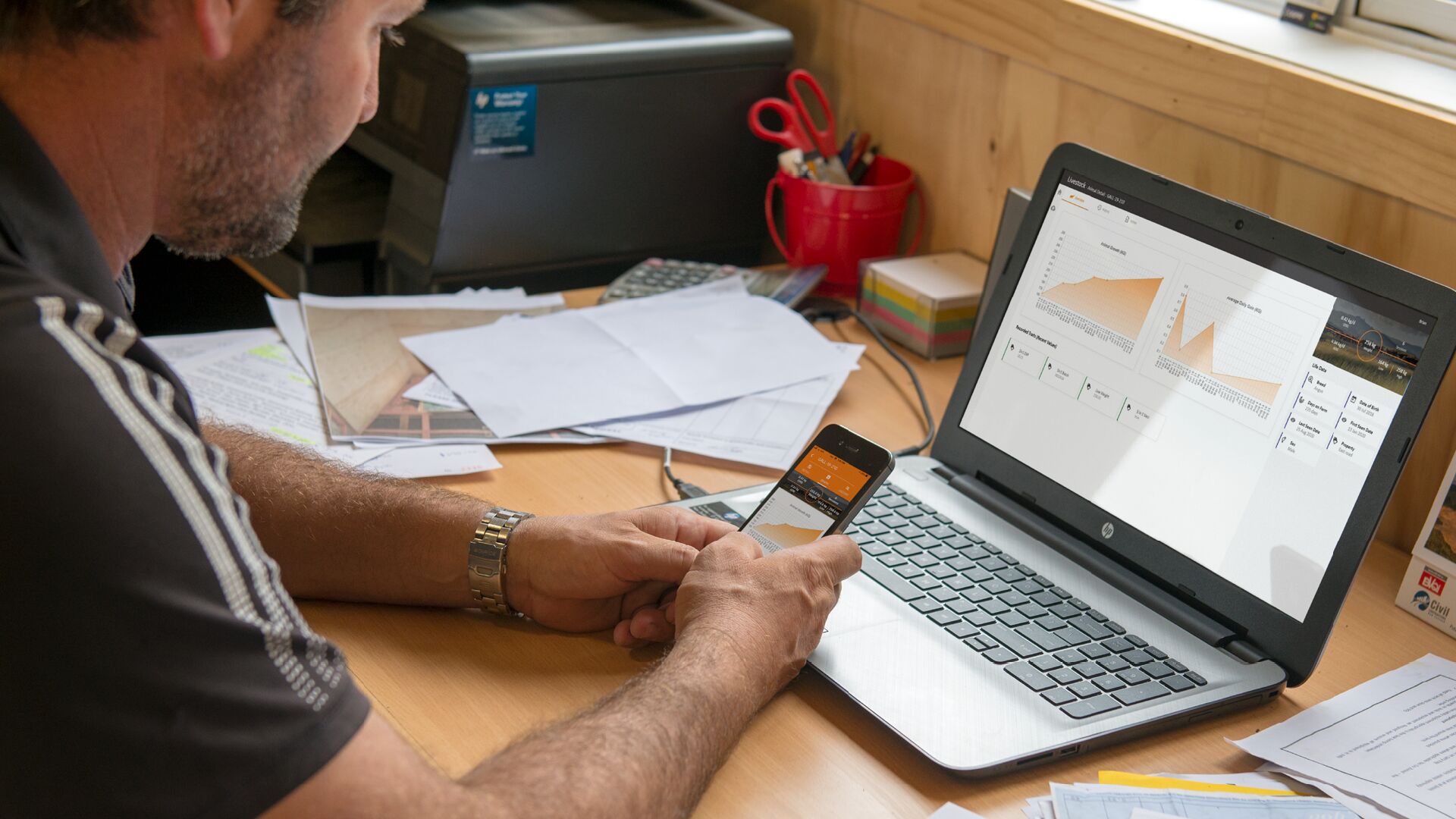
When weight and EID information is connected through Animal Performance Software, it can become a useful tool for making decisions around animal performance, feeding, drafting, sale timing and compliance.
Gallagher Development Manager Mark Maitland and Taranaki Territory Manager Martin Weir recommend starting simple and building from there.
1. Focus on the numbers that matter
You don’t need to track everything at once. Start by focusing on two or three measures that are most relevant to your farm.
Live weight shows what an animal weighs today.
Average daily gain shows how the animal is performing between weighing sessions.
Overall daily gain gives you a longer-term picture of the animal’s performance.
Used consistently, these measures can help you identify animals that are progressing well, spot those that may need attention and make more informed decisions around feeding, finishing and sale timing.
2. Send your weigh sessions to the cloud
One of the simplest ways to get more from your data is to make sure it doesn’t stay sitting on your indicator.
Sending your weigh session to the cloud means the information can be accessed through your phone or computer without manually transferring files.
Try it at your next weigh-in: Send your session to the cloud before you leave the yards, then check the information later on your phone or computer.
3. Use drafting to make decisions in the yards
Drafting can help turn your weighing data into an immediate action.
Before your weighing session, set criteria based on what you want to achieve. This could be a target live weight, average daily gain or overall daily gain.
Animals can then be sorted according to those criteria while they are already in the yards, helping you separate animals that are ready for sale from those that may need more time or feed.
Try it at your next weigh-in: Set one simple drafting rule before you start, such as a target sale weight.
4. Create templates for regular jobs
If the same information needs to be collected each time you weigh, templates can help make the process more consistent.
A farm owner or manager can set up the information and criteria required, giving staff a clear process to follow in the yards.
This can reduce missed information, inconsistent records and double-handling, particularly when multiple people are entering data.
Try it at your next weigh-in: Create a template for one of your most common jobs, such as a young stock weigh-in, lamb drafting session or cattle sale selection.
5. Use your data to reduce admin
Your weighing data doesn’t have to stay isolated from the rest of your farm systems.
Animal Performance Software can help move information where it needs to go, including integrations and data-sharing options that can reduce manual entry.
For example, dairy farmers can share animal weight information through LIC’s MINDA, while sheep and beef farmers can use Gallagher data alongside platforms such as FarmIQ. Weighing data can also help with NAIT movements, reducing the need to manually re-enter animal information.
For Martin, this is where much of the value lies.
“Animal Performance Software is there to remove frustration from the business, especially when it comes to moving data, sharing records and saving time.”
6. Start small, then build
Getting more value from your weighing data doesn’t mean changing everything at once.
Start with one or two useful measures, make sure your weigh sessions are being saved and accessible, and look for one manual task that could be simplified.
As Mark puts it: “Good data does not need to be complicated. Start with live weight and daily gain, then use those numbers to make better calls on feed, finishing and sale timing.”
The goal isn’t simply to collect more data. It’s to make the information you’re already collecting work harder for your farm business.