
The Feedback Loop Your Grazing System Has Been Missing
Thursday, 26 March, 2026
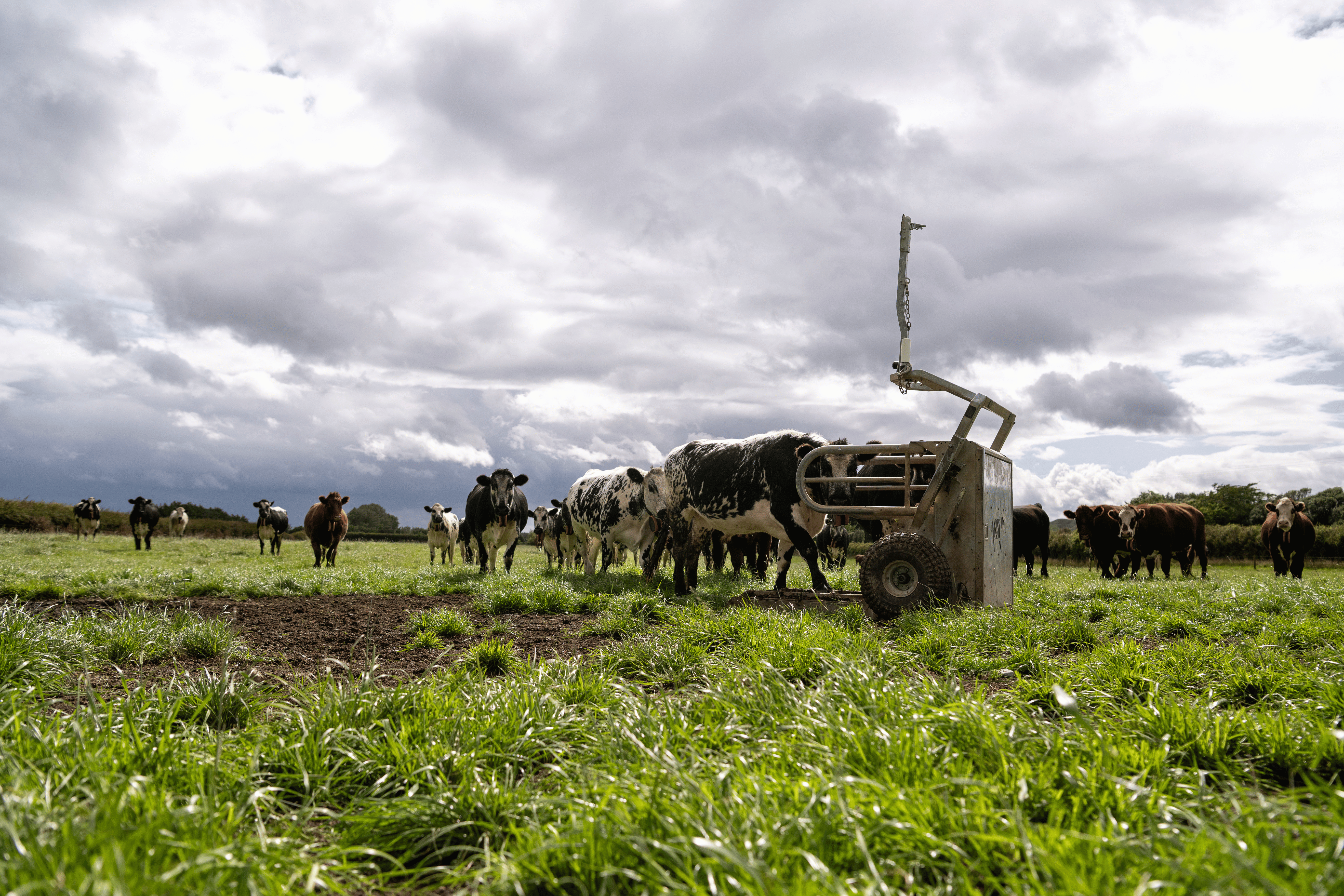
When Simon Fowler adopted eShepherd virtual fencing on his large cropping and finishing operation at Chilwell Farms in Western Australia, his goal was straightforward: manage a substantial herd across expansive paddocks without adding labour. When he added automatic weighing into the picture, he discovered that together they delivered something much more valuable. A real-time feedback loop between where his cattle were grazing and how they were actually performing. Insight and action, without extra boots on the ground.
Better Together
eShepherd is Gallagher's virtual fencing system and the StrongBó Auto Weigher is Gallagher’s voluntary in-paddock weighing system. Cattle approach it on their own terms, enticed by an attractant at the front. An EID reader captures each animal's ID and calculates full body weight.
Where eShepherd controls where cattle graze, the Auto Weigher measures how they respond.
From Instinct to Data 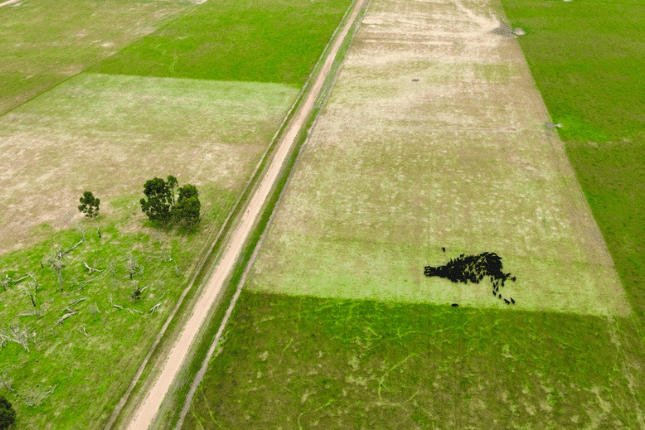
Historically, weight data comes from periodic yarding — maybe once a month, sometimes less. By the time underperformance shows up, weeks of growth can already be lost.
Wairarapa, New Zealand beef farmer Dion Kilmister knows exactly how costly that lag can be. Before adopting both systems, he estimates his operation was growing around 14 tonnes of feed but only utilising 78% of it. At one point, cattle dropped from 1.5 kg/day to 0.2 kg/day when a crop ran out, and monthly manual weighing didn't catch it in time. A whole month of liveweight gain was gone.
And when Dion and his wife Ali had to spend six months in Australia for medical treatment, the systems became an unexpected proof of concept. They managed their entire grazing operation remotely from the Gold Coast, shifting virtual fences and making feed decisions daily based on live weight data.
Simon Fowler found the same principle at work. He used eShepherd to create virtual confinement pens for controlled feeding during dry conditions, saving the cost of physical infrastructure. Tracking weight performance alongside that through the Auto Weigher allows him to verify the approach is working, or pivot quickly if it isn't.
Better Welfare Oversight, Without the Legwork
For Dion, managing remotely meant welfare monitoring had to work without him being there. The Auto Weigher provided that safety net. A drop in weight gain, a change in visit frequency, or an animal that stops approaching voluntarily can all be early indicators that something is off. Combined with GPS location and movement data from eShepherd, producers have a much richer set of signals for identifying animals that need attention — all without additional handling or observation time.
The Labour Equation
Moving physical fences takes time. Mustering for weighing takes time and stresses animals in ways that compromise the data. Both require staff on the ground.
eShepherd removes the first. The Auto Weigher removes the second. For operations already stretched on labour, or managing large areas with lean teams, this isn't a minor convenience. It's a fundamentally different way of working.
When Conditions Change 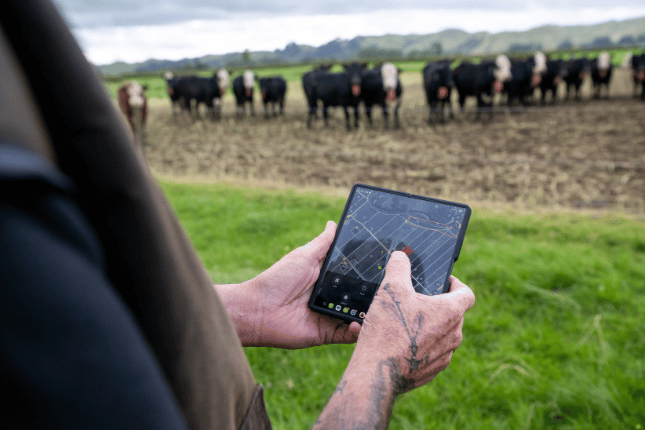
When feed quality drops or a dry period hits, weight data is often the first reliable signal. Rather than waiting for visible condition loss, producers can act on the numbers and adjust cell size, shift mobs to better feed, or increase rotation frequency. eShepherd makes the move simple. The Auto Weigher confirms whether it worked.
For operations in variable seasonal conditions, that speed of response, measured in days, not weeks, can mean the difference between managing through a difficult period and losing ground that takes months to recover.
The Bigger Picture
The data these systems generate doesn't just improve today's decisions, it builds a record that makes next season's sharper too. Which rotations consistently deliver target growth rates. Which paddocks underperform in dry conditions. Which mobs respond best to intensive cell grazing. That kind of compounding insight is difficult to build any other way.
For producers already using eShepherd, the Auto Weigher is the logical next step — not as a separate system, but as the performance layer that tells you whether the grazing decisions you're making are actually working.