
A Straight-Shooter’s Guide to Preparing Your Ranch for Winter
By Wes Chism, Gallagher BDM – Animal Performance & Traceability
Monday, 17 November, 2025
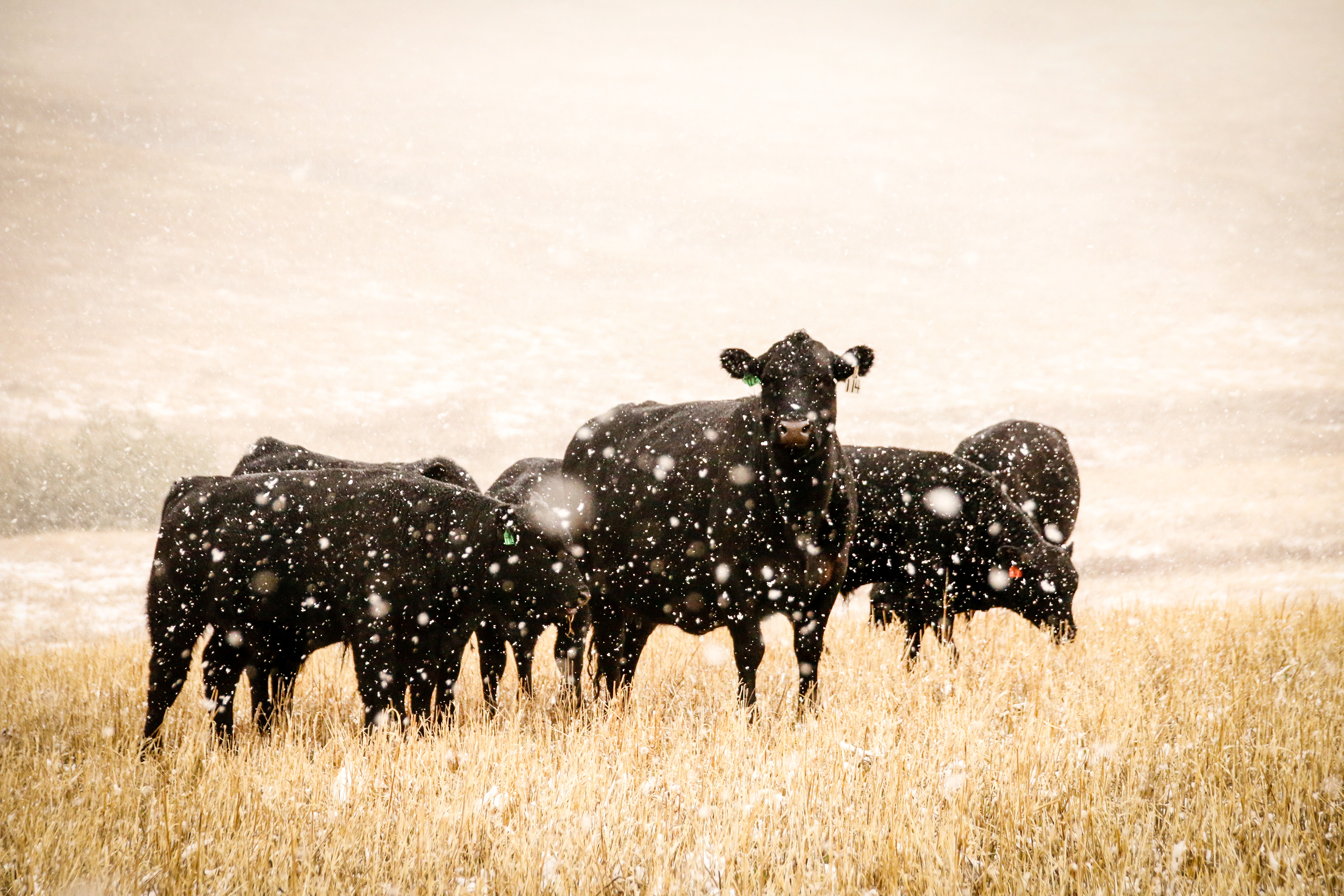
Winter is not the same everywhere, but one thing all ranchers can agree on: If there is a weak spot in your operation, winter will find it.
As I write this, we have half a foot of snow on the ground and more falling. Despite how pretty a white holiday season is, it means a shift in operations day to day. Our cowherd has already been pulled off pastures and brought closer to infrastructure so they can be monitored and supplemented accordingly.
Winter varies dramatically across North America with dry cold in the Dakotas, wet cold in the PNW and Southeast, unpredictable swings in the Midwest, heavy snowpack in the Rockies, deep freezes in the Prairies, and heavy snowfalls in the Northeast. Cattlemen know their winter challenges best; this guide helps sharpen the plan and prep your land and herd to mitigate impacts of the harshest season.
Feed Comes First
Whether you get the long deep cold of the Northern Plains, are facing the freeze-thaw cycles of the Midwest or are planning to be up to your eyeballs in mud across the Pacific Northwest, prepping your winter feed plan is a must.
Low temperatures mean your herd requires additional feed to maintain condition, so it pays to be prepared. Your herd will burn calories faster just staying warm, so ensure you’ve secured enough feed or rationed pastures appropriately to mitigate higher energy requirements this winter. Secure enough hay, silage, or supplemental feed before winter tightens its grip. Protect stored feed from moisture to preserve nutrition and reduce waste.
Abrupt changes in climate can impact your forage quality, so careful supplement planning will make all the difference to how your herd weathers the colder months.
The best winter grazing strategies take the weather into account. Identify your winter grazing paddocks as early as possible and plan your rotations around prevailing winds. For properties with high elevation, where possible, prioritize and protect more sheltered paddocks for your winter grazing needs.
When transitioning to bale feeding, don’t leave it too late. Ensure nutrient quality and faster recovery of pastures in the spring by switching your feed methods before mud and trampling turn your paddocks into a chewed-up mess.
Water, Weather & Yard Systems: Fix It Before It Freezes
Before the brutal cold sets in, now is the time to check your water infrastructure. Restricted access to water can reduce herd performance so it pays to make sure your set up is ready for winter. Be sure to inspect your lines, valves, insulation and flow rates; and test your heaters early so you have time for crucial repairs.
The extreme cold of the Northern Plains and Prairies require a dependable frost-free system, and lines should be buried nice and deep to help avoid frozen pipes. Across mountainous areas with high wind exposure, try to position water systems near natural wind breaks- or construct your own.
Across the Midwest and Southern Plains with more frequent freeze-thaw cycles, keep up to date with maintenance. Sudden temperature changes can wear out valves and floats faster. And in the Pacific Northwest, proper drainage around waterpoints should be your focus to protect your waterer base structure when higher rainfall increases mud puddling.
In all regions, pre-winter is a great time to give your waterers a thorough clean to stave off algae to keep your water supply fresh and flowing for animals during the hardest months.
When thinking about winter yard prep, strategies will also differ by region.
Where icy winds are the enemy, set up some bale windbreaks or fenceline shields to allow animals ample shelter. Where mud is an issue, be sure to adequately prep yards and improve drainage around high traffic areas to prevent foot health concerns and proper access to feed. Snow build up will require ongoing monitoring of paths to water and feed; so be mindful of prevailing drifts and plan accordingly.
Know Who You’re Feeding
To prevent losses of hard-won gains, keeping an eye on your animals over colder months is non-negotiable. Be sure to accurately monitor animals throughout the season so you can make swift changes to feeding programs for underperformers before losses become unsalvageable.
Aggressive sorting to better manage feed or early culling can be the difference between profit and loss in colder months- don’t risk wasting precious feed on animals who will ultimately not outlast the cold. Accurate and regular data collection is the key to keeping on top of these tough but necessary decisions.
Regular weighing provides early warning signals. Thin cows can be shifted to higher-plane groups, weaned calves can be supplemented differently, and open cows can be marketed before they consume more winter feed than they’re worth. Winter doesn’t reward wishful thinking; it rewards the rancher who knows exactly what (and who) they’re feeding.
If in Doubt- Reach Out
Winter severity differs, but preparation pays everywhere. Good feed, intentional grazing, reliable water, and efficient, data-backed systems improve herd health and your sanity.
If you’d like help putting together a winter plan tailored to your operation, whether you're dealing with mud, wind, or snow, I’m always happy to walk through it with you. Every ranch is different, but the goal is always the same: get your herd through winter in better shape than they went in.