
Feral Pig Exclusion Fencing Meets On-Ground Training At Wetherby Station
Thursday, 20 August, 2026
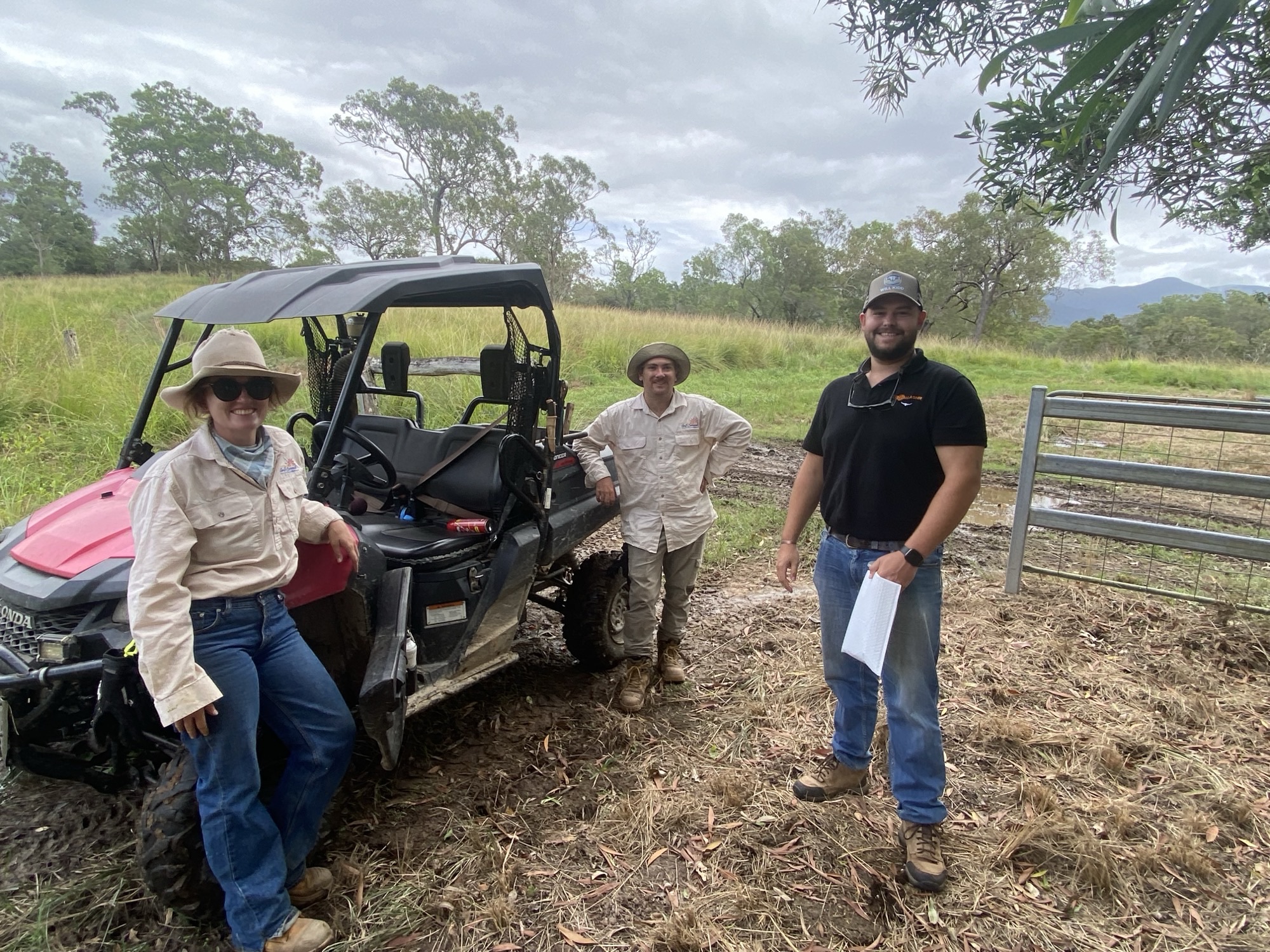
Grazier John Colless has been able to keep feral pigs out and restore the natural wetland surrounding his property at Wetherby Station in Mount Molloy, Far North Queensland.
John’s focus has been protection from feral pigs around sensitive wetland areas. Feral pigs can cause significant damage to wetlands through rooting, erosion, and water contamination, and fencing has played a critical role in preserving these ecosystems.
Excluding feral pigs and cattle from the wetland has reduced environmental pressure. John has implanted controlled grazing across his property, reducing his cattle’s need to graze the wetland. The system now protects natural assets and supports efficient and sustainable livestock management.
Will Kidd, Gallagher Territory Manager for North Queensland, was instrumental in helping John restore the wetland. John has been able to implement practical, fit-for-purpose electric fencing solutions tailored to his operation with Will’s help. John and Will were able to scope out a holistic approach where John could grow his cattle without harming the environment around him.
John’s approach reflects a broader shift in the industry, where producers are embracing fencing solutions that balance productivity with sustainability. His willingness to trial new methods and adapt infrastructure highlights the value of practical, on-ground innovation in modern grazing systems.
Impromptu Training with the Gulf Savannah Team
One of Will’s recent visit to Wetherby Station aligned with a field trip from the Gulf Savannah Natural Resource Management team. The team from the Gulf Savannah Natural Resource Management were on-site assessing the performance of the wetland exclusion fencing and broader environmental outcomes.
This was a perfect opportunity for Will to deliver an impromptu “Electric Fencing 101” session. The team were about to go on a research trip across multiple Gulf stations, so this knowledge would be valuable to take with them.
The session focused on the fundamentals of electric fencing systems; setup, fault finding, earthing, and practical application in remote conditions. With many of the team set to engage directly with station managers, the training provided a solid foundation they could take into the field and pass on with confidence.
Drawing on his experience across North Queensland, Will provided practical insights that were directly relevant to the environments the team would be working in, particularly across remote and extensive grazing operations.
It was a valuable knowledge-sharing moment, bridging the gap between product, application, and real-world use. Equipping the team with practical fencing insights ensures that producers they work with are better supported when considering electric fencing solutions on their own properties.
Driving Better Outcomes Through Collaboration
The day highlighted the strength of collaboration between producers, industry teams, and regional organisations. With John leading by example on-property, and the Gulf Savannah team extending that knowledge across the region—with support from Will Kidd—the flow-on impact is significant.
From improved land management to increased adoption of electric fencing, these kinds of interactions play a key role in driving better outcomes across the grazing sector.